
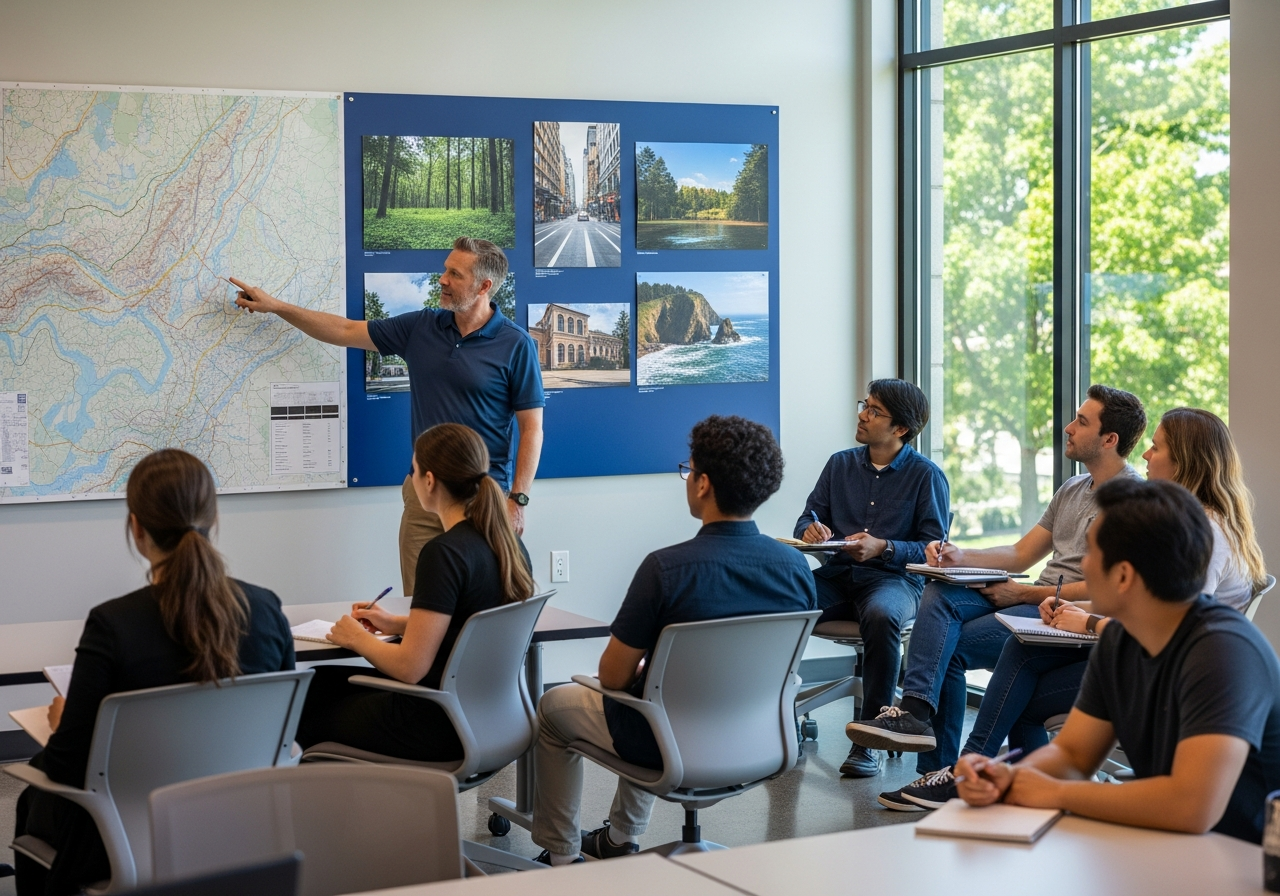
Location scouting forms the backbone of successful film production, determining how stories translate from script to screen through carefully selected environments. Canadian film schools have recognized this critical need, developing comprehensive programs that train students in both the artistic and logistical aspects of location management. Leading institutions like the Directors Guild of Canada (DGC), Canadian International Orthopaedic Network (CION), Vancouver Film School (VFS), and Toronto Film School have emerged as key providers of specialized location scouting education.
The permitting landscape in Canada presents unique challenges that distinguish it from other film markets globally. Students must navigate complex municipal regulations, provincial variations, and considerations around indigenous land protocols. This intricate regulatory environment has shaped curriculum development across Canadian film schools, ensuring graduates enter the workforce equipped with both creative vision and practical compliance knowledge that the industry demands.
Why Location Scouting is Core to Canadian Film Education
British Columbia and Ontario dominate Canada’s film production landscape, creating unprecedented demand for skilled location professionals. The production boom has transformed Vancouver into “Hollywood North” while Toronto continues expanding its studio infrastructure. This growth directly influences curriculum design at Canadian film schools, which must produce graduates ready to support major international productions alongside domestic projects.
The complexity of Canadian permitting processes adds another layer of educational necessity. Unlike simpler regulatory frameworks in other markets, Canadian productions must navigate municipal bylaws, provincial film commission requirements, and federal considerations. Students learn that successful location scouting extends far beyond finding visually appealing spaces—it requires mastering bureaucratic processes that can make or break production schedules.
Industry Growth Driving Curriculum Focus
Canada’s film and television production sector generated over $9.3 billion in volume during 2021-2022, representing a 23% increase from the previous year. British Columbia alone contributed $5.1 billion to this total, while Ontario added $2.8 billion, demonstrating the concentrated regional demand for trained location professionals.
This exponential growth has created a skills gap that film schools are racing to fill. Programs now emphasize real-world application over theoretical knowledge, ensuring graduates can immediately contribute to production teams without extensive on-the-job training.
Permitting Challenges Unique to Canada
Canadian permitting operates on multiple jurisdictional levels, creating complexity that requires specialized training. Municipal permits may differ dramatically between neighboring cities, while provincial film commissions maintain their own protocols and incentive structures. Students must understand how Vancouver’s permitting process differs from Toronto’s, and how both contrast with smaller market requirements.
Indigenous land considerations add another dimension rarely addressed in international film programs. Many potential filming locations involve treaty territories or traditional lands, requiring consultation protocols and cultural sensitivity that students must master. This unique Canadian context shapes curriculum design in ways that distinguish domestic programs from their global counterparts.
Top Canadian Programs Offering Location Scouting Training
Canadian institutions offer diverse approaches to location scouting education, ranging from intensive workshops to comprehensive certificate programs. These programs vary significantly in duration, cost, and industry partnerships, creating options for students with different career goals and time commitments.
The following comparison reveals the breadth of training opportunities available across Canada’s major film education centers:
| School/Program | Duration | Format | Key Partners | Cost |
|---|---|---|---|---|
| DGC Location Training | 8 weeks | Hybrid | Major studios, City of Vancouver | $1,200 |
| Vancouver Film School | 12 months | Full-time | Creative BC, Netflix | $19,500 |
| Toronto Film School | 18 months | Full-time | Ontario Creates, CBC | $22,000 |
| CION Certificate Program | 6 months | Part-time | Independent producers | $3,500 |
| Capilano University | 2 years | Diploma | CMPA, ACTRA | $15,800 |
| Sheridan College | 4 months | Intensive | IATSE, local productions | $4,200 |
Key Features of Each Program
Individual programs distinguish themselves through specialized features that cater to different student needs and career trajectories. Understanding these unique elements helps prospective students select training that aligns with their professional goals.
- DGC programs emphasize union pathways and direct industry placement, offering the most direct route to professional employment
- Vancouver Film School provides comprehensive production education with location scouting as a specialized track within broader film studies
- Toronto Film School integrates location training with business and entrepreneurship components, preparing graduates for independent work
- CION focuses on practical skills development with flexible scheduling for working professionals
- Capilano University offers the most academic approach, combining theory with hands-on practice over extended timeframes
Core Curriculum: From Script to Scout
Canadian film schools structure location scouting education around a systematic process that mirrors real-world production workflows. Students learn to approach each project methodically, ensuring no critical elements are overlooked during the scouting phase. This process-driven approach helps graduates integrate seamlessly into professional production teams.
The curriculum typically follows industry-standard practices while incorporating Canadian-specific elements like permitting protocols and regional considerations. Schools emphasize both creative vision and practical execution, ensuring students can balance artistic requirements with logistical constraints. Advanced courses introduce students to budget management and vendor relationships that define professional location management.
- Script analysis and location requirement identification through detailed breakdown processes
- Initial research using industry databases, local contacts, and online resources
- Site visits with proper photography and documentation protocols
- Permit research and application procedures for identified locations
- Presentation preparation including visual materials and logistical summaries
- Budget estimation incorporating permit fees, security requirements, and site preparation costs
- Alternative location development for contingency planning and creative flexibility
Script Breakdown Techniques
Students master the art of extracting location requirements from scripts through systematic analysis techniques. This process involves identifying explicit location descriptions, understanding implied spatial needs, and recognizing opportunities for creative interpretation. Instructors teach students to consider not just aesthetic requirements but practical elements like camera angles, lighting needs, and crew access.
Advanced script breakdown incorporates budget consciousness and scheduling efficiency into location decisions. Students learn to spot potential conflicts between creative vision and practical limitations early in the process, developing skills to propose alternative approaches that maintain story integrity while respecting production constraints.
Research and Database Usage
Canadian film schools provide access to industry-standard databases like Creative BC’s location library and Ontario Creates’ resource portal. Students learn to navigate these systems efficiently while understanding their limitations and biases. Training emphasizes the importance of expanding beyond official databases to include local knowledge, community contacts, and independent research.
Database training includes understanding metadata, search optimization, and cross-referencing techniques that maximize research efficiency. Students also learn to maintain their own location databases, building professional resources that support long-term career development in the location management field.
Hands-On Assignments in Location Scouting Courses
Practical assignments form the backbone of Canadian location scouting education, with students typically dedicating 2-5 hours per week to field work beyond classroom instruction. These assignments progress from basic photo documentation exercises to complex multi-location projects that mirror professional production requirements. Schools often partner with local productions to provide real-world project opportunities.
Photo documentation assignments teach students to capture locations from multiple angles while considering lighting conditions and seasonal variations. Students learn to anticipate director and cinematographer needs, developing visual storytelling skills that complement their logistical training. Advanced assignments incorporate permit research and budget estimation, creating comprehensive location packages.
Assessment criteria emphasize both creative vision and professional presentation standards. Students must demonstrate understanding of client needs while showcasing personal initiative and problem-solving abilities. Group projects introduce collaborative dynamics that reflect professional team structures in the location management field.
Sample Assignment Workflow
A typical semester-long assignment follows professional production timelines, requiring students to manage multiple locations simultaneously while maintaining quality standards. This workflow introduces time management pressures and client communication skills essential for professional success.
Students begin with client briefings that simulate real director meetings, receiving creative briefs with specific requirements and constraints. The assignment progression mirrors industry practices, from initial concept through final presentation, including revision cycles that teach adaptability and client service skills.
- Client brief analysis and requirement clarification through structured questioning processes
- Initial research phase using multiple sources including databases, local contacts, and online resources
- Site visit planning with scheduling coordination and transportation logistics
- Field documentation following professional photography and notation standards
- Permit research including municipal requirements and application timelines
- Final presentation preparation with visual materials, budget estimates, and alternative options
Equipment and Technical Skills Taught
Canadian film schools equip location scouting students with both traditional and cutting-edge tools essential for professional practice. Training encompasses photography fundamentals, digital file management, and collaborative software platforms that facilitate team communication. Students learn to balance equipment costs with functionality, developing practical decision-making skills for professional equipment selection.
Technical training extends beyond equipment operation to include maintenance, troubleshooting, and backup planning that ensures reliable field performance. Schools emphasize adaptability and resourcefulness, teaching students to achieve professional results with varying equipment budgets and technical constraints.
| Equipment | Skills Covered | School Example |
|---|---|---|
| Professional Cameras | Composition, lighting assessment, technical documentation | Vancouver Film School |
| Digital Asset Management | File organization, metadata tagging, backup protocols | Toronto Film School |
| GPS and Mapping Tools | Coordinate recording, route planning, accessibility assessment | DGC Training |
| Collaborative Platforms | Team communication, file sharing, project management | CION Programs |
| Mobile Applications | Field notation, weather tracking, permit lookup | Sheridan College |
Photography Fundamentals
Location photography training emphasizes storytelling through visual documentation rather than purely technical camera operation. Students learn to anticipate cinematographer needs while capturing essential logistical information through strategic composition and lighting choices. This dual focus ensures graduate photos serve both creative inspiration and practical planning purposes.
Advanced photography instruction covers seasonal considerations, weather documentation, and time-of-day variations that influence location viability. Students develop skills to communicate spatial relationships, access limitations, and environmental factors through carefully composed visual narratives that support decision-making processes.
Digital Tools and Software
Cloud-based collaboration tools like Google Drive and Dropbox form essential infrastructure for modern location scouting operations. Students learn to structure digital filing systems that accommodate multiple users while maintaining version control and access security. Training includes understanding team permission structures and file sharing protocols that facilitate efficient production workflows.
Video conferencing platforms like Zoom enable remote location presentations and client consultations that have become industry standard. Students practice presentation skills through virtual formats while learning to optimize visual materials for screen sharing and digital collaboration environments that define contemporary production practices.
Permitting Processes Covered in Canadian Programs
Canadian permitting education addresses the complex multi-jurisdictional landscape that location scouts must navigate across different provinces and municipalities. Students learn that successful permit acquisition requires understanding not just application procedures but also timing, stakeholder relationships, and contingency planning. This comprehensive approach ensures graduates can handle permit challenges that frequently derail inexperienced location managers.
Training emphasizes the relationship between permit requirements and location selection, teaching students to factor regulatory constraints into creative decision-making. Students learn to identify potential permit obstacles early in the scouting process, developing alternative strategies that maintain production schedules while satisfying regulatory requirements. Advanced courses introduce students to permit negotiation techniques and stakeholder relationship management.
Municipal permit processes vary dramatically across Canadian cities, creating educational challenges that schools address through region-specific training modules. Students studying in Vancouver learn City of Vancouver procedures while also understanding Calgary or Montreal requirements for career flexibility. This comparative approach builds adaptability skills essential for location professionals working across multiple markets.
Provincial Variations in Permitting
Provincial film commissions operate distinct systems that reflect regional priorities, industry structures, and governmental approaches to film sector development. Students must understand these variations to work effectively across provincial boundaries or support productions that span multiple jurisdictions. Training includes understanding incentive structures, application timelines, and appeals processes that vary significantly between provinces.
| Province | Key Agencies | Common Requirements |
|---|---|---|
| British Columbia | Creative BC, BC Film Commission | Environmental assessments, First Nations consultation |
| Ontario | Ontario Creates, OMDC | Municipal coordination, heritage site protocols |
| Quebec | SODEC, Quebec Film Bureau | Language compliance, cultural content requirements |
| Alberta | Alberta Film Commission | Resource industry coordination, environmental monitoring |
Entry Requirements and Career Pathways
Location scouting represents one of the most accessible entry points into professional film production, with most programs requiring no formal educational prerequisites beyond high school completion. This accessibility attracts career changers and individuals from diverse backgrounds who bring valuable life experience to location management roles. Schools emphasize transferable skills from other industries while building film-specific knowledge and professional networks.
Career advancement in location management follows well-established pathways, particularly through DGC training programs that provide direct routes to union membership and professional recognition. Students learn about progression from location scout to assistant location manager to location manager, understanding the responsibilities and qualifications associated with each level.
- No degree requirements create opportunities for career changers and diverse educational backgrounds
- DGC pathways provide structured advancement with clear milestones and professional recognition
- Portfolio development through school projects demonstrates capability to potential employers
- Industry networking through school partnerships facilitates job placement and career advancement
- Flexible scheduling accommodates working professionals seeking career transitions
Skills for Success
Driving ability remains fundamental for location scouting success, as professionals must access diverse locations across varying terrain and weather conditions. Schools emphasize the importance of reliable transportation and defensive driving skills that ensure safety during extensive field work. Students learn to plan routes efficiently while maintaining flexibility for unexpected discoveries or changed requirements.
Communication and interpersonal skills prove equally critical, as location scouts serve as ambassadors for productions within local communities. Training includes conflict resolution, cultural sensitivity, and professional representation skills that maintain positive relationships with property owners, municipal officials, and community stakeholders whose cooperation determines project success.
From Scout to Location Manager
DGC training programs provide the most structured advancement pathway in Canadian location management, offering clear criteria for progression between professional levels. Students learn about portfolio requirements, experience thresholds, and continuing education expectations that support career development within union frameworks that dominate major production employment.
Location manager positions require comprehensive understanding of budget management, vendor relationships, and production coordination that extends far beyond scouting skills. Advanced training introduces students to these expanded responsibilities while emphasizing the leadership and project management capabilities essential for senior location department roles.
Unique Advantages of Canadian Training
Canadian location scouting education offers distinct advantages that stem from the country’s unique position in global film production markets. The combination of domestic industry growth, international production attraction, and diverse geographical landscapes creates training opportunities unavailable elsewhere. Students benefit from exposure to both Hollywood-scale productions and independent Canadian content, developing versatility that enhances career flexibility.
Government support for film education through various funding mechanisms reduces financial barriers while ensuring program quality through oversight and accountability measures. This public investment creates training opportunities that might be unavailable through purely private educational markets, democratizing access to professional film careers.
Regional training advantages reflect the concentration of production activity in specific geographical areas, allowing students to develop specialized knowledge of local conditions, regulations, and industry networks. This geographical specificity provides competitive advantages in local job markets while building expertise that translates to consulting opportunities in other regions.
| Advantage | Programs Offering | Impact on Career |
|---|---|---|
| Tax Credit Knowledge | All major programs | Enhanced value to international productions |
| Seasonal Production Cycles | Regional schools | Better project planning and career stability |
| Diverse Geography Training | VFS, Capilano, TFS | Versatility in location doubling |
| Government Funding Access | Public institutions | Reduced educational debt burden |
| Industry Partnership Depth | DGC, CION | Direct employment pipeline |
| Multicultural Production Experience | Urban programs | Global market competitiveness |
Regional Spotlights: BC vs Ontario
British Columbia’s training programs benefit from the province’s established reputation as a filming destination, providing students with access to experienced professionals and diverse project types. The concentration of Vancouver-based programs allows for specialization in specific production scales and genres, from major studio features to independent documentaries. Government funding through Creative BC supports both educational institutions and student bursaries, reducing financial barriers to professional training.
Ontario’s programs emphasize the province’s role as Canada’s largest domestic market while building connections to growing international production activity. Toronto-based schools benefit from proximity to Canadian media headquarters and regulatory agencies, providing students with broader industry exposure beyond pure location management. The province’s diverse geography, from urban centers to northern wilderness, offers comprehensive training environments within reasonable travel distances from major educational centers.